



Why Visit Botswana
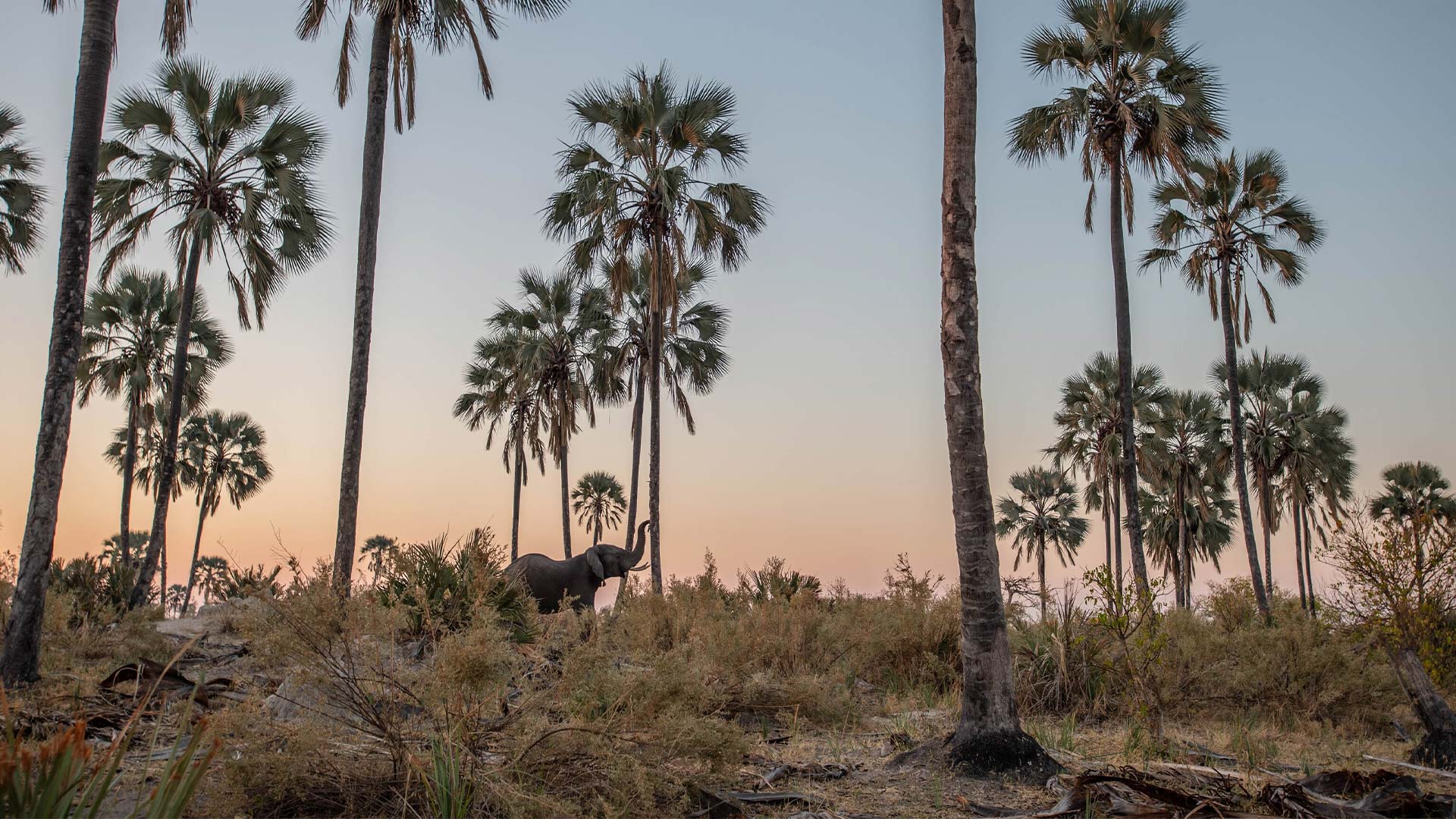
Botswana is an all year-round safari destination and home to the world’s most exclusive safari lodges. Most notably known for the Okavango Delta, Botswana offers pristine wilderness, big game sightings and very few tourists. The country offers all types of unique safaris, most notably a mobile safaris and mokoros.
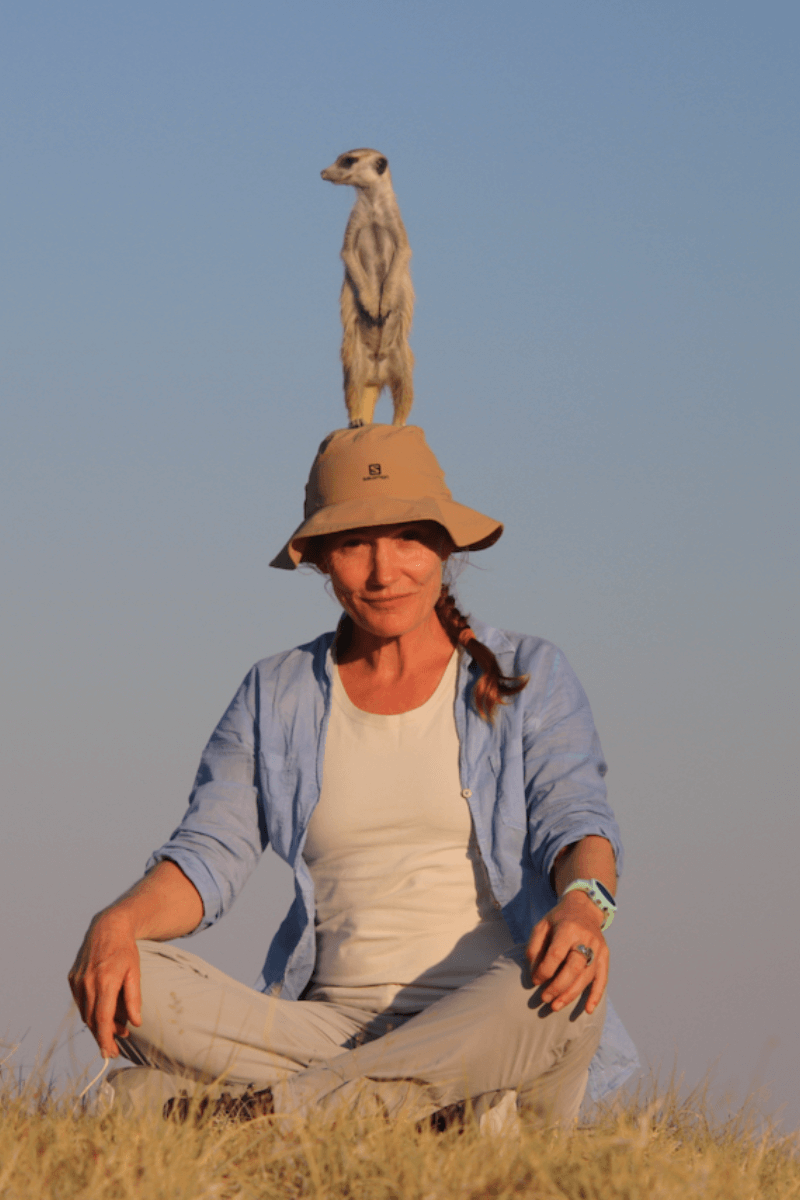
Discover Botswana on a mobile safari, where one travels on a safari vehicle with a professional guide through the African wilderness, camping in style along the way. This is a truly authentic safari and is the closest one will get to being immersed in one’s surroundings. Camping unfenced in wild remote places, dining under the stars and sleeping to the sounds of Africa.Further North, one may enjoy boat trips on the wildlife rich Chobe River. Get up close to all types of wildlife and birds, offering the perfect photographic opportunities from a unique perspective. Also, for the adventurers, the Makgadikgadi Salt Pans offer quad biking, sleeping out under the stars and meerkat interactions.
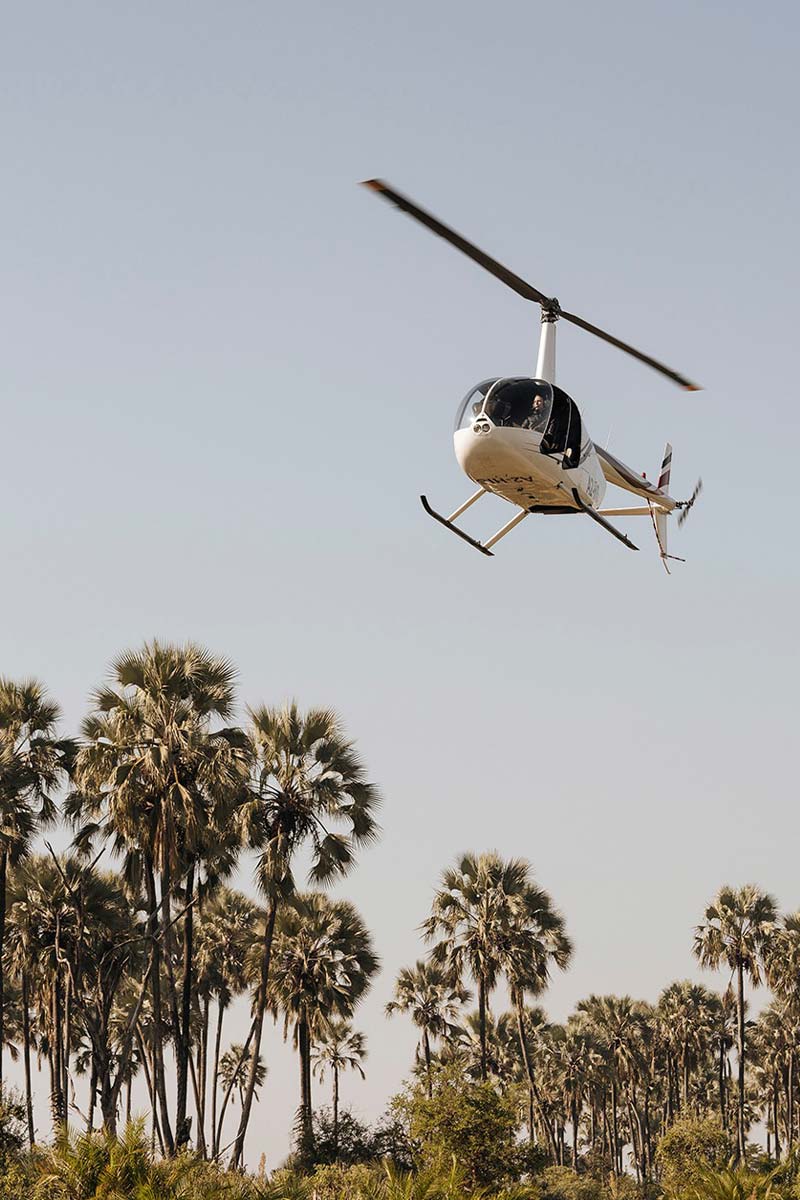
For a truly bucket list experience enjoy a scenic helicopter flight over the Okavango Delta, witnessing thousands of palm tree islands, picturesque wilderness and big game sightings including frequent sightings of Elephant, Buffalo and Lion from above.
Botswana has a low impact tourism model where conservation is at the forefront of their management. The country is largely split into exclusive use concessions and include some of the world’s most luxurious lodges.



Discover Botswana
Top Destinations
Okavango Delta
The Okavango Delta, one of Africa's top safari destination, offers exclusive and diverse wildlife experiences. This is where the worlds largest inland delta meets the Kalahari Desert, hosting a unique wildlife spectacle.
Attraction List:
- Abundant Predator Sightings: Including Lions, Leopard, Cheetah and Wild Dog.
- Boat Safaris: Navigate channels for crocodile and hippo sightings.
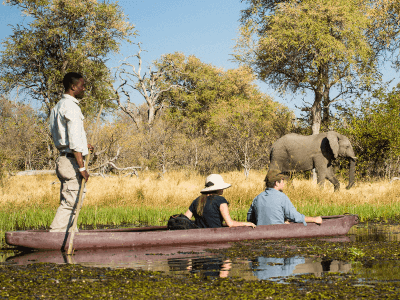
- Mokoro Trips: Glide along small waterways, encountering diverse creatures and intimately discovering the delta.
- Luxurious Lodges: Home to the world's most exclusive lodges.
- Authentic Safari: Unfenced camps offer an authentic feel, with family-friendly options.
- Access: Light aircraft or scenic helicopter transfers to remote camps.


Chobe National Park
Chobe National Park in Northern Botswana, known as 'the home of the elephant,' is teeming with over 50,000 of these majestic giants. The park is massive in size and offers a diverse safari experience. It includes the the very popular Chobe Riverfront in the North to the Savuti marsh and Mababe depression in the South. These regions all offer different landscapes and host to different wildlife, all areas offer a wide array of wildlife, including lions, leopards, wild dogs, elephants, buffalo and vibrant birdlife.
Attraction List:
- Chobe Riverfront: Offering both land and water safaris. River boat safaris provide unique views, with elephants swimming and playing.
- Savute/Savuti Region: Remote and exceptional for Leopard, Lions, Elephant, and Wild Dog sightings. Accessible by self-drive, fly-in, or mobile safari.
- Mababe Depresssion: A seasonal safari destination that is home to dense wildlife and very few safari camps, expect intimate safari and wild encounters.
- Zebra Migration: Thousands of zebras move from Chobe floodplains in the dry season to Makgadikgadi National Park in the wet season.


Makgadikgadi Salt Pans
The Makgadikgadi Salt Pans are the world's largest salt pans and offer a unique blend of adventure and safari. Stretching endlessly, these pans provide extraordinary photographic opportunities during the dry season (June–October) when the lunar-like landscape creates a stunning horizon and unparalleled stargazing.
Attraction List:
- Dry Season Magic: Vast pans create a lunar-like environment, perfect for imaginative photography and awe-inspiring stargazing.
- Wet Season Transformation: December–March turns the pans into a shallow lake, witnessing wildlife migrations, especially zebras, and accompanying predators.
- Adventurous Activities: Quad biking across the pans, meerkat interactions, and sleep-outs are major draws for thrill-seekers.
- Cultural Encounters: Explore bushman walks and traditional encounters for a glimpse into the local culture.
- Varied Accommodations: From camping to luxury lodges, there are diverse accommodation options.
- Off-the-Beaten-Track Destination: For those seeking adventure and solitude, the Makgadikgadi Salt Pans are an ideal off-the-beaten-track destination.


Moremi Game Reserve
Moremi Game Reserve is an amazing wildlife rich destination, offering self drive options, mobile safaris and luxury lodges. The large reserve is part of the Okavango Delta and one of Africa's most diverse habitats, combining savannahs and waterways, creating an ecologically significant reserve. Renowned for abundant wildlife, it provides epic safari experiences with diverse ecosystems supporting lions, leopards, African wild dogs, and a spectacular array of birds.
Attraction List:
- Abundant Wildlife: Lions, leopards, and endangered African wild dogs.
- Birding Diversity: Spectacular birdwatching opportunities.
- Access Options: Fly-in safari, self-drive, and mobile safaris for wilderness adventures.
- Ultimate Self-Drive: Moremi offers one of Africa's wildest self-drive experiences, requiring 4x4 and regional knowledge.
- Mobile Safaris: Guided by professionals, camping in remote areas for the ultimate wilderness adventure.
- Water-Based Safaris: Enjoy boat safaris and mokoros for a different perspective.


Khwai Community Concession
This pristine area adjacent to Moremi Game Reserve offers exceptional all year round game viewing, including common sightings of lion, leopard and wild dogs. The Khwai Region is situated in the South Eastern portion of the Okavango Delta and one can explore the waterways on Mokoros, or enjoy open vehicle safaris and walks with professional guides. Khwai is a community-led concession, where local villages manage and benefit directly from eco-tourism initiatives. It offers all types of accommodation options from budget options to luxury lodges.
Attraction List:
- Abundant Wildlife: Lions, leopards, Elephants and endangered African wild dogs.
- Birding Diversity: Spectacular birdwatching opportunities.
- Access Options: Fly-in safari, self-drive, and mobile safaris for wilderness adventures.
- Diverse Accommodation Options: Budget to luxury lodges available.
- Good for Self-Drive: Khwai offers unfenced wild campsites to be really immersed in nature, 4x4 and regional knowledge required.
- Mobile Safaris: Guided by professionals, camping in remote areas for the ultimate wilderness adventure.
- Water-Based Safaris: Enjoy mokoros and walking for a unique safari experience.


Central Kalahari Game Reserve
Travelling to the Central Kalahari Game Reserve offers an off the beaten track experience that speaks to the soul of adventure seekers. It's a vast expanse of unspoiled wilderness, where the desert's solitude and endless space creates an unparalleled sense of freedom. The reserve showcases desert adapted wildlife including the majestic black-maned kalahari lions, oryx and elusive brown hyenas. At some of the lodges, one may experience the local San Bushmen's culture offering a fascinating insight into the local inhabitant’s traditional way of life and desert adapted survival skills. The best time to visit is in the wet summer months (December to March) due to the abundance of wildlife, although at this time some roads become difficult to pass.
Attraction List:
- Self Drive Adventure: This is the ultimate wild camping experience. Knowledge of 4x4ing, self sufficiency and equipment is required.
- Unique Lodges: Luxury lodges offer the comforts whilst being in seriously remote locations.
- Close up predator sightings: Sightings of the black maned kalahari lions.
- San Bushmen: Some lodges allow for bushmen visits discovering this ancient cultures and their nomadic lifestyle in a harsh environment.


Nxai Pans National Park
A surreal landscape that transitions between salt pans and savannah. The park hosts ancient baobab trees that stand amidst the expansive horizons, adding a touch of mystique to the scenery. The annual zebra migration passes through the National Park, where herds gather to graze on the fresh grasses after the rains, is a spectacle unlike any other. The best time to travel is the wet season (December to March). To note this is the opposite of the best time to visit the Okavango Delta and Chobe National Park.
Attraction List:
- Visit the towering Baines Baobabs.
- Witnessing the annual zebra migration.
- Remote park offering more privacy and solitude.


Linyanti Reserve
The Linyanti is a region in Botswana known for its unique blend of wetlands, dry savannahs, and dense forests. It lies in the northwestern part of Botswana, near the border with Namibia and Zambia, and is part of the larger Chobe District. The area is primarily known for the Linyanti River which flows into the Chobe River, creating a rich ecosystem and providing critical water resources for the wildlife in the area.
Attraction List:
- Wildlife Diversity: The area is also home to lions, leopards, wild dogs, buffalo, elphants, giraffes, zebras, and numerous antelope species.
- Linyanti Swamps: These wetlands create an oasis in the middle of Botswana’s drylands. The swamps, along with the river, attract large numbers of birds and other wildlife, making it a paradise for birdwatchers. You can see species like the white-backed vulture, African fish eagle, and wattled crane.
- Remote and Exclusive: The Linyanti is less visited compared to more famous Botswana destinations like the Okavango Delta or Chobe National Park. This makes it a more exclusive and tranquil destination, offering visitors a more private and intimate wildlife experience.
- Very Luxurious Lodges: Some of Botswana's most luxururious and premium lodges are situated in the Linyanti.
- Safari Experience: The area is famous for its high-quality safaris, with private game reserves offering luxurious accommodations and guided tours. Visitors can experience game drives, mokoros, boat safaris, and walking safaris.


Makgadikgadi Pans National Park
Makgadikgadi Pans National Park in Botswana presents an extraordinary spectacle of contrasts, where vast salt pans meet diverse ecosystems. In the summer months (December to March) one can find the Zebra migration in the National Park, which is the longest distance mammal migration in Africa and the second largest by volume after East Africa’s wildebeest migration. There are both luxury lodges and campsites available to all travellers. This is a good combination with the Central Kalahari and Nxai Pans.
Attraction List:
- Watching elephant and other large mammals along the Boteti river.
- Witnessing the annual zebra migration.
- Remote park offering more privacy and solitude.
- Wild campsites and lodges.


Tsodilo Hills
For those seeking some culture and history, Tsodilo Hills in Botswana is a sacred site steeped in ancient history, earning the title "Louvre of the Desert" for its collection of rock art. These towering hills, regarded as spiritual beacons, showcase over 4,500 ancient paintings, revealing a cultural narrative spanning thousands of years. Exploring this UNESCO World Heritage Site offers a profound connection to the past, where every artwork tells a story of the indigenous San people's lives, beliefs, and rituals.
Attraction List:
- Hiking trails to see the ancient rock art.
- Beautiful scenery and cultural significance.


Maun
Maun is the gateway town to the Okavango Delta. It is a true safari capital with safari vehicles buzzing around the streets and most light aircrafts flying into the Okavango Delta from this town. Maun has some quaint stopover lodges situated along the Thamalakane river and offers a good rest stop for those self-driving between destinations. Whilst in Maun, one can enjoy a scenic helicopter flight over the Okavango Delta.
Attraction List:
- Scenic helicopter flights over the Okavango Delta.
- Day Trips: Mokoro excursions and Moremi Game Reserve.
- Elephant Havens: Visit the elephant orphanage just outside Maun.
- Visit the local restaurants: Dusty Donkey, Hilarys Cafe, The Brewery.


Kasane
Kasane is the gateway town to Chobe National Park. The small safari town is situated along the Chobe River which is a paradise for wildlife enthusiasts and birders alike. The region is famously known for its boat trips on the Chobe River where one can get up close to all types of wildlife including Hippo’s, Crocodiles, Buffalo and Elephants. There are also safari drives into the park which gives one a much greater chance at spotting the more elusive predators including leopard and lion. The town is conveniently adjacent to Victoria Falls (Zimbabwe) and therefore day trips are easily possible from Kasane. Accommodation in Kasane ranges from camping all the way through to 5 star fully inclusive stays.
Attraction List:
- Chobe Riverfront: Offering both land and water safaris. River boat safaris provide unique views, with elephants swimming and playing.
- Vehicle safari along the Chobe Riverfront to enjoy the parks abundant wildlife.
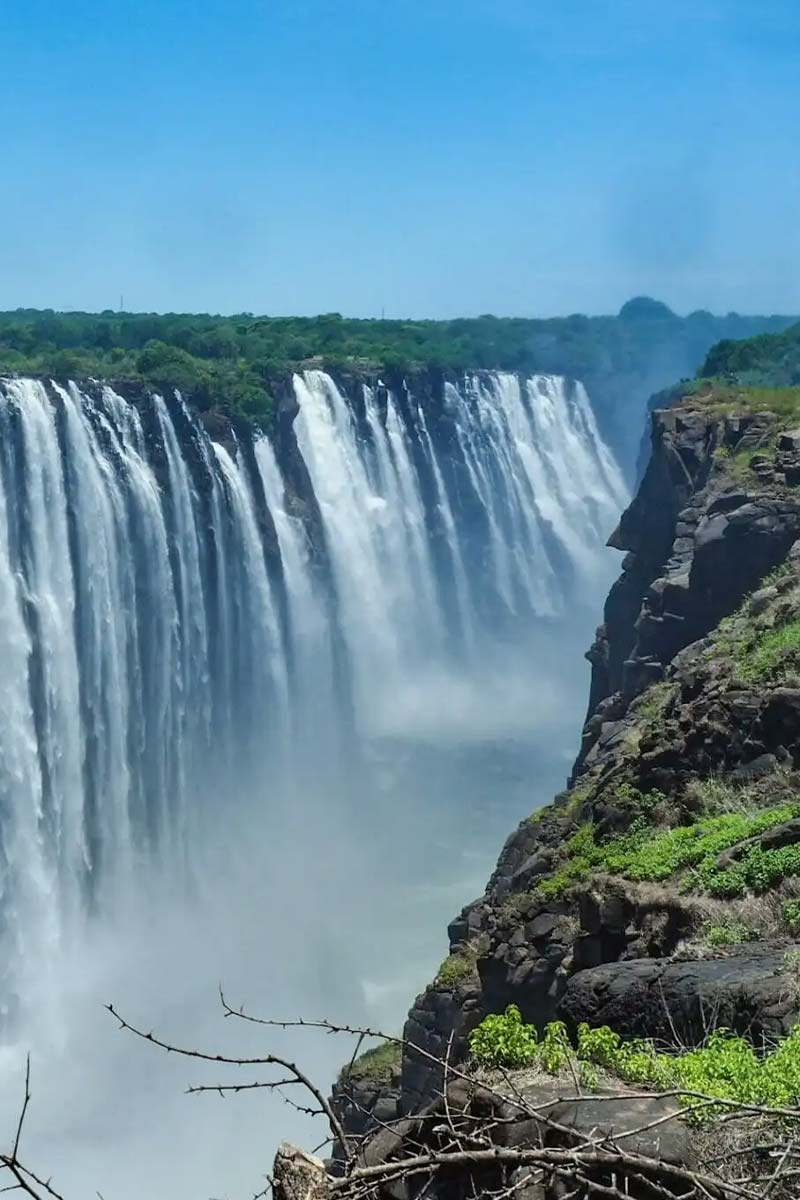
- Day Trip to Victoria Falls, The Seven Wonder of The World.
- Photographic safaris on boat and on vehicle.


Top Experiences




Best Time to Visit Botswana
Botswana is a year-round travel destination. The country is known for its ever-present sunshine and is accessible throughout the year. Botswana is situated in the Kalahari Desert and therefore can experience very hot and very cold temperatures at certain times of the year.
The prime time for a Safari in Okavango Delta and Chobe National Park is between June to October (dry season). During this season there is minimal rainfall, the daytime temperatures are mild (except October is hot), and wildlife tends to congregate around localized water sources making them easier to spot.
Alternatively, the hot and wet summer months offer a different perspective with lush vegetation and clear skies, this season also has less guests and great pricing.
From November to March is the best time to visit the Central Kalahari, Nxai Pans and Makgadikgadi National Park.
Jan
Feb
Mar
Apr
May
Jun
Jul
Aug
Sep
Oct
Nov
Dec
- Excellent
- Good
- Fair
Monthly features:
- Dry Season (June to October) This period is considered the best time for wildlife viewing. Their is minimal rainfall during these months, leading to thinner vegetation, and less water sources making it easier find wildlife. These are also the most popular months and prices are at their highest (bookings need to be made well in advance). Due to low rainfall these are great months for adventure, safaris, and self-drives. Things to note: October can be a very hot month. Chobe National Park and the Khwai Community Concession are very busy during this period, the private concessions in the Okavango Delta offer exclusive safaris so they do not get crowded even in peak season.
- Shoulder Season (April to May, November to December) are great months for those looking to avoid the busiest periods and obtaining better pricing. Oftentimes the wildlife viewing is excellent and very similar to the dry season. The rainfall is is sporadic and usually does not affect ones safari. Temperatures can be high in November and December. The vegetation is lush, green and beautiful. This is the best time for birding, newborn animals and clear skies for photography.
- Green Season (January to March) is hot and has the highest rainfall. As the rainfall is short and sparse it is still a good time to visit. One will find better availability and specials during this time of year. Due to the dense vegetation, wildlife may be harder to spot but one will still have amazing wildlife encounters as Botswana offers all year round exceptional wildlife viewing. Green season is a great time for birders as all the migrant birds are present.
Jan
Feb
Mar
Apr
May
Jun
Jul
Aug
Sep
Oct
Nov
Dec
- Excellent
- Good
- Fair
Monthly features:
- Wet Season (December to April) This period is the best time for wildlife viewing in these National Parks. The weather is hot and wet which means there is an abundance of food for the migratory animals, including zebra and wildebeest. There are a lot of predators sightings during this period as well due to the high volumes of plains game. Birding is great at this time of year and many newborn animals are present.
- Shoulder Season (May and November) are great months for those looking to avoid the busiest periods and obtaining better pricing. The rainfall is sporadic and usually does not affect safari experiences. Temperatures can be very high in November. Wildlife is still abundant.
- Dry Season (June to October) are the driest months. Vegetation is minimal and therefore wildlife is less abundant, however the Makgadikgadi Salt Pans becomes a great attraction for vast landscapes and one can experience quad biking accross the vast salt pans and sleep outs under the stars.
Botswana Itineraries
Perfect Botswana Add-Ons:


Fequently Asked Questions
Botswana is often regarded as the most expensive and exclusive safari in Africa. This is in many ways true however there are various ways of travelling that allow everything from budget travellers to the the ultra luxurious traveller.
The Botswana tourism model (especially the Okavango Delta) is one of high prices and limited lodging which ultimately leads to low tourists and a much more regulated conservation environment.
In the Okavango Delta high season (June to October), one should expect to pay anything from USD 500 and USD 5,000 per person per night.
Why are lodges in the Okavango Delta so expensive:
- Level of Luxury: The level of luxury in Botswana is some of the highest in the world, in order to construct, maintain and offer these levels of service in remote locations leads to higher prices.
- Fly in Safaris: Most safaris involve flying on light aircrafts into these private concessions.
- Private Concessions: Due to many of the lodges being in private concessions. Tourism operators must pay large concession/management fees to government and also local community fees to lease these concessions.
- Remote Locations: Due to lodges being in very remote locations only accessible by long drives, flights, or boats, this leads to higher operational costs and ultimately one pays more for all these logistical issues, exclusivity, and solitude.
- Diverse activities: Many of Okavango Delta Lodges have both land and water activities. This means they need more equipment (Boats and Mokoros) as well as professional guides to offer amazing experiences to guests.
- Exchange Rates: Lodges charge in US Dollars.
- Importing of goods: As Botswana is part of the Kalahari Desert, the country does not manage to farm and produce all its necessary supplies, this means a lot of supplies need to be imported at an additional cost.
- Competition in Tourism: The Botswanan Government limits the number of concessions and safari lodges; therefore, this leads to less competition. On the flip side this offers the ultimate exclusivity.
Can you travel Botswana on a budget?
Yes, there are ways to get around the USD 5,000 per person per night prices. From Mobile Safari’s, Overland Tours to Self-Drive. Also we at Botswana Safaris know the best specials, the best camps as well as the best time of year to make the most of seasonal pricing.
Cost of Travelling Botswana in order of most affordable to most expensive:
- Self-Driving (Camping)
- Overland Group Tours
- Mobile Safari’s
- Fly-In Luxury Safaris
Overall, Safari Costs are dependent on:
- Location: The best concessions are usually the highest priced, these concessions will have the best all year-round game viewing, include both water and land safaris and are situated in private/exclusive concessions.
- Seasonality: Travelling during the dry season (June – October) can be well over twice the price of travelling during the green season (January – March).
- Level of Luxury: All safari lodges offer different levels of luxury, the top end lodges have world class chefs, private plunge pools, private safari vehicles, professional guides, fitness centres and spas.
- Transport to and from: Most lodges in Botswana are fly-in safaris (small aircrafts or helicopters), the more lodges on your itinerary the more transfers costs. However these transfers offer a very scenic bird’s eye view of wildlife and landscapes.
For those looking for a real adventure we recommend mobile safaris and self-drive itineraries. There is also the option to combine a fly in safari with a mobile safari.
Botswana Safaris gets the best rates for all lodges, car rental companies and activity providers, therefore we will package the whole itinerary and pass on the best prices to our clients.
Botswana is an easy country to travel to.
The main international airports for tourists are: Maun and Kasane.
For those visiting Victoria Falls, there is also the option of flying into Livingstone, Zambia or Victoria Falls, Zimbabwe. From there it is a short transfer (1 hour 30 minutes) to Kasane.
The majority of international visitor’s would transit through either:
- Johannesburg, South Africa
- Cape Town, South Africa
- Addis Ababa, Ethiopia
Botswana is a very large and wild country (approximately the size of France).
Road distances between destinations can be very large and conditions change depending on the season.
Options for travelling in Botswana:
- Self-Drive: This is for adventurous travellers who are confident in driving a 4×4 vehicle in all types of difficult conditions (Deep Sand, Mud, Water Crossings, Etc). There are excellent vehicle hiring companies in Maun and Kasane. The safari vehicles come fully kitted to your preferences.
- Fly In: For travellers short on time or wanting to fly straight into the best locations, there are daily flights into all the luxury lodges. There is also the option of helicopter transfers into camps which is often more scenic than a fixed wing light aircraft.
- Mobile Safari: A truly authentic way to experience Botswana, one would be picked up in Maun or Kasane in an open safari vehicle and venture into the safari destination of choice where you will camp wild and go on overland safari. The level of luxury goes from basic all the way to extremely high end, where one would have full bed setups, gastronomic meals, fine wines and the best safari guides. One may join a fixed tour departure or as a private tour.
- Hybrid: One can do a combination of the above three options for a truly unique experience.
- Taxis: Only available in Maun and Kasane.
- Overnight Tours: Botswana is a great country to join a guided multi day tour, either on an overland truck or a customised safari vehicle. This is especially good for solo travellers who want to share the experience with travellers from throughout the world.
- Day Trips: Kasane is the best place for day trips. One can visit Chobe National Park and Victoria Falls on day trips. From Maun one can do day trips although they are logistically not ideal in terms of travel times and distances.
Botswana is generally safe for travellers. It has a relatively low crime rate compared to some other African countries. However, like any destination, it’s wise to take precautions and be aware of your surroundings, especially in urban areas where petty theft and opportunistic crimes can occur.
In remote areas or when driving long distances, it’s essential to be prepared with enough supplies, including fuel and water, especially in more desolate regions where services might be limited.
Overall, Botswana is a beautiful country with welcoming people, but as with travel anywhere, staying vigilant and informed is key to having a safe and enjoyable experience.
At Botswana Safaris we will never design an itinerary that would put you into a risky situation or region.
Yes, malaria is present in most parts of Botswana, although the risk of malaria is generally low.
It’s important to take precautionary measures if you’re traveling to malaria-prone areas, especially during the rainy season (November to April), when mosquito populations are higher.
Preventive measures against malaria includes:
- Taking anti-malarial medication prescribed by a healthcare professional (if necessary).
- Using insect repellent.
- Wearing protective clothing in the evenings. (eg, Long Sleeves, Long Pants, Socks)
- Sleeping in accommodations with mosquito nets, screened windows, fans and air conditioning.
Always consult with a healthcare provider or travel doctor before your trip to get the most up-to-date and personalized advice on malaria prevention based on the specific areas you plan to visit and your individual health considerations.
Visa requirements for Botswana vary depending on your nationality.
Some countries have visa-free arrangements with Botswana, allowing their citizens to visit for a specified period without needing a visa. Other nationalities might need to apply for a visa in advance.
To determine whether you need a visa to visit Botswana, you should check with the nearest Botswanan embassy or consulate in your country or visit the official website of the Botswana n Department of Home Affairs. They will have the most updated information about visa requirements.
Visa requirements can change, so it’s essential to confirm the most current information well before your planned travel dates.
Always consult with a healthcare provider or travel doctor several weeks before your trip to get personalized advice based on your health history, itinerary, and current health recommendations.
At the time of writing there are no compulsory vaccinations for travellers entering Botswana.
However, the country may require a Yellow Fever vaccination certificate if you’re arriving from or have recently visited a Yellow Fever endemic area. This requirement usually applies to travellers coming from certain African and South American countries.
Malaria Prevention: Please see other frequently asked question on Malaria.
The currency used in Botswana is the Botswana Pula (BWP), however a lot of the tourism establishments will accept USD.
There are a variety of methods to pay for goods and services:
- Credit and Debit Cards: Visa and MasterCard are commonly accepted in most establishments, especially in urban areas. American Express and Diners Club cards are less widely accepted. Inform your bank about your travel plans to prevent any issues with card usage abroad.
- Cash: Carrying some cash in Botswanan Pula and/or USD can be useful for small purchases, markets, and places where card payments might not be accepted. ATMs are widely available in cities and towns and accept most international cards.
Tipping:
It is customary to tip for services in Botswana.
- Restaurants: Tipping around 10% of the total bill is common if the service charge is not already included.
- Hotels: Tipping hotel staff, such as porters and housekeeping, is customary.
- Transfers: Tipping transfer drivers isn’t mandatory, but rounding up the fare is appreciated.
- Lodges: This depends on the lodge standard and services, please enquire with us or directly with lodge management for an accurate guideline.
Even though tipping is customary, it is still discretionary, and the amount can vary based on the quality of service you received.